Identify Your Columbus Water Problem
Every water problem has a solution. Find yours.
What's actually in Columbus water?
Columbus has some of the hardest water in Ohio. The city sits on limestone-rich geology, and that mineral content dissolves into the groundwater that feeds both municipal wells and private wells throughout Central Ohio. Columbus city water averages 15 to 22 grains per gallon (gpg) of hardness, which is classified as very hard.
City water arrives already treated. Columbus Municipal utilities treat and test their supply to EPA standards. That treatment process includes chlorination, which keeps bacteria out but adds its own taste and odor issues that many residents find unpleasant.
Well water in Central Ohio presents a different picture entirely. Groundwater here is not treated or regulated at the federal level. Well owners in Franklin, Delaware, Licking, and surrounding counties frequently deal with very high hardness, iron, manganese, hydrogen sulfide, and in some cases bacteria. The problems are real and they do not resolve on their own.
Whether your water comes from the city or a private well, identifying the specific problem is the first step to fixing it permanently.
Not sure what your water problem is?
Our water professionals come to your home, test your water on-site, and explain exactly what they find. No charge, no obligation, no pressure to buy anything.
Call us: (614) 555-0100
Schedule a Free Water AnalysisCommon water problems in Columbus
Click any problem to learn what's causing it and what the right fix looks like.
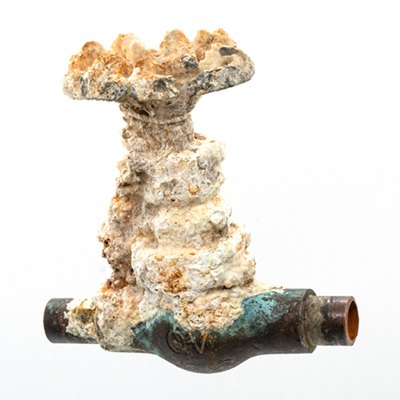
Scale on fixtures and pipes, spotted dishes, dry skin, faded and stiff laundry
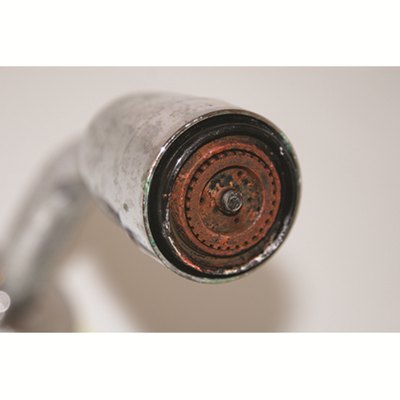
Orange stains on tubs, toilets, sinks, fixtures, and laundry

Chlorine smell, rotten egg odor, musty or chemical taste

Milky, yellowish, or unclear water coming from the tap
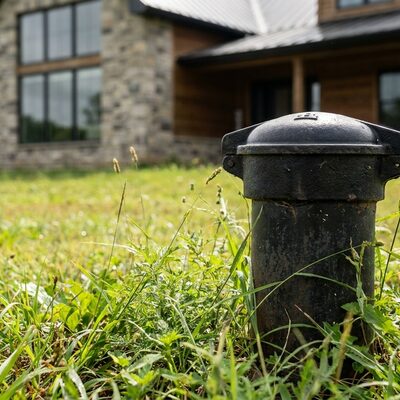
Bacteria, iron, sediment, high hardness, and nitrates in private well water
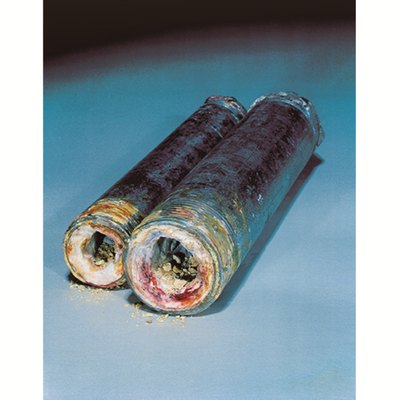
Corrosive, low-pH water dissolving copper pipes and leaving green or blue residue
How water problems affect your home
Water problems are not a minor inconvenience. They cause physical damage to your home and appliances, and the costs compound every month you wait.
What hard water costs Columbus homeowners
Scale from hard water builds up inside pipes, water heaters, dishwashers, and washing machines. A water heater with significant scale buildup uses up to 30% more energy to heat the same volume of water, according to the U.S. Department of Energy. That inefficiency compounds over years.
Hard water also shortens appliance life. Dishwashers, coffee makers, and washing machines that would last 12 to 15 years on soft water often fail at 7 to 10 years in hard water areas. The minerals etch glassware, fade fabrics, and prevent soap from lathering, which means you use 30 to 50% more cleaning product to get the same results.
Iron and rust staining creates its own costs. Cleaning iron stains requires harsh acids and chemicals that degrade grout, caulk, and fixture surfaces over time. Stained laundry is often permanently damaged. Fixtures with heavy iron buildup corrode faster and need earlier replacement.
Water problems do not self-correct
This is the most important thing to understand about water quality issues: they get worse, not better. Mineral scale builds incrementally. Iron deposits accumulate. If you have bacteria in your well, it will not disappear on its own.
Every month of untreated hard water adds more scale to your water heater. Every month of untreated iron adds more staining to your fixtures. The cost of treatment today is always lower than the cost of replacing appliances and fixtures later.
Annual cost of untreated hard water for a typical Columbus family:
Hundreds of dollars a year
Includes excess cleaning products, reduced appliance efficiency, and shortened appliance lifespan, estimated annually.
Find your solution in 60 seconds
Not sure which water problem you have, or which system fixes it? Use our interactive Water Problem Solver on the home page. Answer two quick questions and get a personalized Kinetico system recommendation based on your actual symptoms and water source.
Tell us your symptoms
Select every problem you're noticing: scale, staining, odor, taste issues, or concerns about bacteria.
Tell us about your home
City water or well water? The source determines which contaminants are most likely and which systems are the best match.
Get your recommendation
The tool matches your answers to specific Kinetico systems with a clear explanation of why each one addresses your problem.
Water problem questions from Columbus homeowners
The most common signs of hard water are white or off-white scale deposits around faucet aerators and showerheads, a filmy residue on glassware after washing, soap that does not lather well, dry skin and scalp after showering, and laundry that feels stiff or faded. If you live in Columbus and are on city water, you almost certainly have hard water. The Columbus area averages 15 to 22 grains per gallon, which is classified as very hard. A free water test from Cardinal Water Solutions will give you the exact number for your home.
Yes. Columbus Municipal Utilities treats and tests the city water supply to meet all EPA drinking water standards. Meeting those standards is not the same as being pleasant to live with. Columbus city water is very hard, which causes physical problems throughout your home even if it does not pose a health risk. It also contains chlorine from the disinfection process, which many people find unpleasant to taste and smell. Some Columbus homes also have older lead solder in their plumbing, which can be a health concern regardless of what the municipal supply contains. A water test will tell you what is actually in your water at the tap.
Cardinal Water Solutions offers a free in-home water analysis with no obligation. A trained water professional comes to your home at a time that works for you, tests your water on-site for hardness, iron, pH, chlorine, and other indicators, and explains the results in plain language. There is no sales pressure and no requirement to purchase anything. For well water, we also offer access to more comprehensive lab testing that covers bacteria, nitrates, arsenic, and other parameters. Call us at (614) 555-0100 or use the form on our free water analysis page to get started.
Yes, and this is very common. Columbus city water typically has both hard water and chlorine taste issues simultaneously. Well water in Central Ohio frequently presents hard water, iron, manganese, and hydrogen sulfide all at once. Some homes also have sediment problems on top of those. This is why a water test that checks for multiple contaminants is more useful than trying to guess based on symptoms alone. The good news is that Kinetico systems can be combined and layered to address multiple problems in a single installation.
A professional water test is the only reliable way to identify what is actually in your water. Visual signs and taste can point you in the right direction, but many water problems are invisible until they have caused significant damage. Dissolved iron, for example, is completely clear in the glass but will stain your fixtures orange the moment it contacts air or heat. A water test gives you specific numbers: exactly how hard your water is, exactly how much iron is present, what the pH is, and what else may need addressing. Our free water analysis is the fastest and most accurate starting point.
Schedule your free water analysis
Stop guessing what is wrong with your water. We come to your Columbus home, test it on-site, and tell you exactly what you are dealing with. No hard sell. Just answers.