

Water problems
Identify your Columbus water problem
Every water problem has a solution. Find the symptom you recognize and see the Kinetico system that fixes it for good.
The starting point
What is actually in Columbus water?
Columbus has some of the hardest water in Ohio. The city sits on limestone-rich geology, and that mineral content dissolves into the groundwater that feeds both municipal wells and private wells throughout Central Ohio. Columbus city water averages 15 to 22 grains per gallon of hardness, which is classified as very hard.
City water is safe to drink. Columbus utilities treat and test their supply to EPA standards. That process includes chlorination, which keeps bacteria out but adds its own taste and odor issues that many residents find unpleasant.
Well water in Central Ohio is a different picture. Groundwater here is not treated or regulated at the federal level. Well owners in Franklin, Delaware, Licking, and surrounding counties frequently deal with very high hardness, iron, manganese, hydrogen sulfide, and in some cases bacteria.
Whether your water comes from the city or a private well, identifying the specific problem is the first step to fixing it permanently.
Not sure what your water problem is? Our water professionals come to your home, test your water on-site, and explain exactly what they find. No charge, no obligation, and no pressure to buy anything. Call (614) 555-0100 or schedule a free water analysis.
What does your water do?
Common water problems in Columbus
Choose the symptom you recognize. We will explain what is causing it and what the right fix looks like.
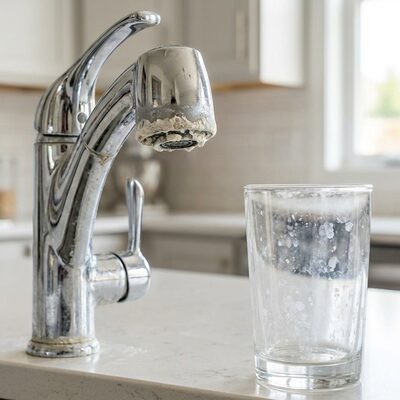
Hard water
Scale on fixtures and pipes, spotted dishes, dry skin, and faded, stiff laundry.
See the fix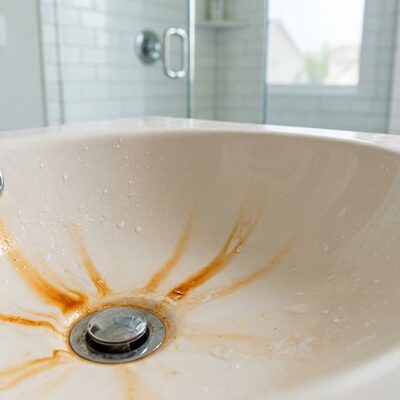
Iron and rust staining
Orange and brown marks on tubs, toilets, sinks, fixtures, and laundry.
See the fix
Bad taste and odor
Chlorine smell, rotten-egg odor, or a musty, chemical taste from the tap.
See the fix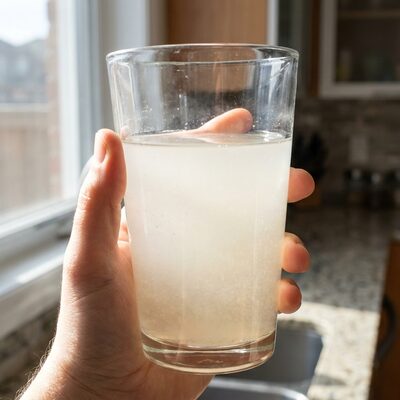
Cloudy or discolored water
Milky, yellowish, or unclear water that never quite looks clean.
See the fix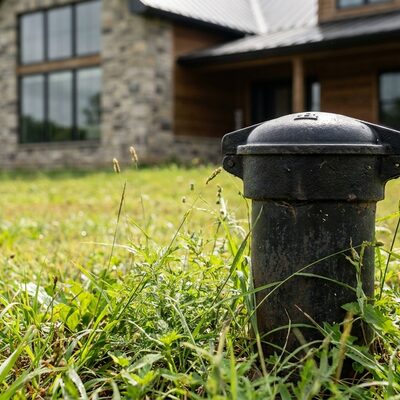
Well water problems
Bacteria, iron, sediment, high hardness, and nitrates in private well water.
See the fix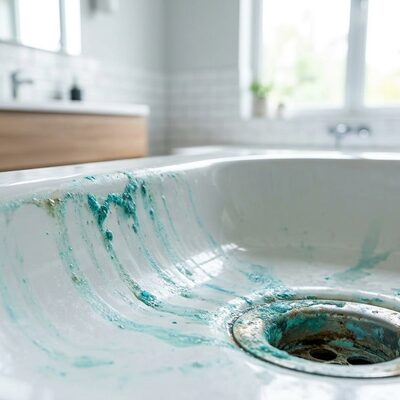
Blue-green staining
Corrosive, low-pH water dissolving copper pipes and leaving green residue.
See the fixWhy it matters
How water problems affect your home
Water problems are not a minor inconvenience. They cause physical damage to your home and appliances, and the costs compound every month you wait.
Scale from hard water builds up inside pipes, water heaters, dishwashers, and washing machines. A water heater with significant scale buildup uses up to 30% more energy to heat the same volume of water, according to the U.S. Department of Energy. That inefficiency compounds over years.
Hard water also shortens appliance life. Dishwashers, coffee makers, and washing machines that would last 12 to 15 years on soft water often fail at 7 to 10 years in hard water areas. The minerals etch glassware, fade fabrics, and prevent soap from lathering, so you use 30 to 50% more cleaning product for the same results.
Iron and rust staining adds its own costs. Removing iron stains takes harsh acids that degrade grout, caulk, and fixture surfaces over time, and stained laundry is often permanently damaged.
Problems do not self-correct
- Mineral scale
- Builds incrementally on every heated surface
- Iron deposits
- Accumulate and stain a little more each month
- Well bacteria
- Will not disappear on its own
- The takeaway
- Treatment today costs less than replacement later
One test, clear answers
Not sure which problem you have? Start with a test.
Tell us your symptoms
Scale, staining, odor, taste, or a concern about bacteria. Many Columbus homes have more than one problem at once. City water often pairs hard water with chlorine taste, and well water can carry hardness, iron, manganese, and sulfur together.
Get a precise reading
A professional water test is the only reliable way to know what is in your water. We measure hardness, iron, pH, and chlorine on-site, explain the numbers in plain language, and recommend the right Kinetico system. Systems can be layered to fix multiple issues in one installation.
FAQ
Water problem questions from Columbus homeowners
The most common signs are white scale around faucet aerators and showerheads, filmy residue on glassware, soap that does not lather, dry skin after showering, and stiff or faded laundry. If you live in Columbus on city water, you almost certainly have hard water. The area averages 15 to 22 grains per gallon, which is classified as very hard. A free water test gives you the exact number for your home.
Yes. Columbus utilities treat and test the city water supply to meet all EPA drinking water standards. The water is safe. That said, safe does not mean ideal. Columbus city water is very hard, which causes physical problems throughout your home even when it poses no health risk, and it contains chlorine from disinfection that many people find unpleasant to taste and smell. A water test will tell you what is actually in your water at the tap.
Cardinal Water Solutions offers a free in-home water analysis with no obligation. A trained professional comes to your home at a time that works for you, tests your water on-site for hardness, iron, pH, chlorine, and other indicators, and explains the results in plain language. For well water, we also offer access to more comprehensive lab testing for bacteria, nitrates, and arsenic. Call (614) 555-0100 or use our free water analysis page to get started.
Yes, and this is very common. Columbus city water typically has both hard water and chlorine taste issues at once. Well water in Central Ohio frequently presents hard water, iron, manganese, and hydrogen sulfide together, sometimes with sediment on top. This is why a test that checks for multiple contaminants beats guessing from symptoms. The good news is that Kinetico systems can be combined and layered to address several problems in a single installation.
A professional water test is the only reliable way to know what is in your water. Visual signs and taste can point you in the right direction, but many problems are invisible until they have caused damage. Dissolved iron, for example, is clear in the glass but stains fixtures orange the moment it meets air or heat. A test gives you specific numbers: how hard your water is, how much iron is present, what the pH is, and what else needs addressing. Our free water analysis is the fastest, most accurate starting point.
Stop guessing what is wrong
Schedule your free water analysis.
We come to your Columbus home, test your water on-site, and tell you exactly what you are dealing with. No hard sell, just answers.