
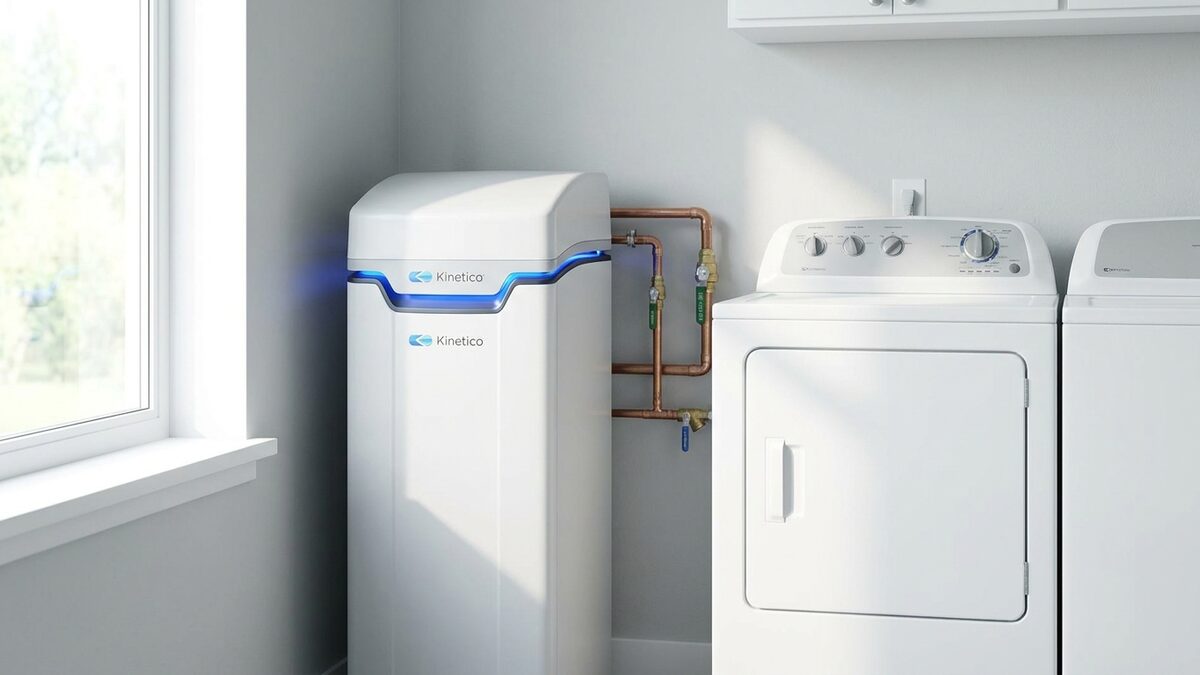
Specialty Treatment
Whole-house specialty treatment for specific water problems
When iron staining, a sulfur smell, or extra chlorine needs targeted treatment, a specialty system handles it before water reaches any fixture in your home.
The difference
When a water softener alone is not enough
A water softener removes calcium and magnesium, the minerals responsible for hard water. That solves a lot of problems in most Columbus homes. But if your water also carries iron, hydrogen sulfide (the source of a rotten egg odor), extra chlorine, or sediment, those issues need their own treatment.
Specialty systems install at the point where water enters your home. Each one addresses a specific condition before water continues to your softener, your fixtures, or your drinking water system. Order matters: feeding untreated iron into a softener, for example, will foul the resin and cut years off its life.
This is exactly what a free water analysis identifies. We test your water on-site, map out what is in it, and design a treatment sequence that handles your specific problems in the right order.
Specialty options
Kinetico specialty treatment systems
Each system targets a different problem, and many homes need more than one. Your water test tells us which ones belong in your treatment train, and in what order.
Every specialty filter is non-electric and built to the same Kinetico standard, with nothing to fail during a power outage.
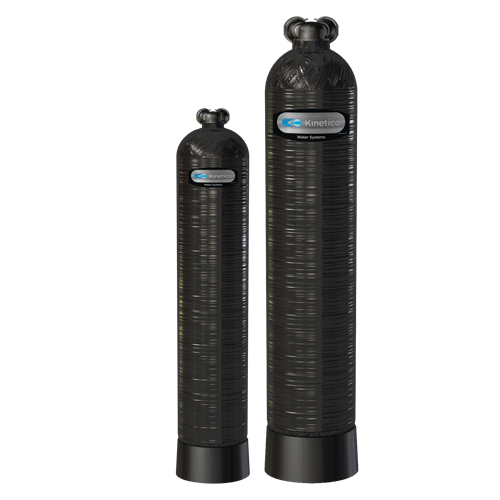
Iron and sulfur filter
For well water or iron staining
Orange or rust-colored stains mean iron, and a rotten-egg smell means hydrogen sulfide. A backwashing media bed removes dissolved and particulate iron, hydrogen sulfide, and manganese, with non-electric operation.
- Removes ferrous and ferric iron
- Eliminates hydrogen sulfide odor
- Removes manganese staining
Whole-house carbon filter
Chlorine and chloramine reduction for city water
Columbus city water is treated with chlorine or chloramines. A carbon filter removes them at every tap before they reach a fixture or appliance, protecting your softener resin and improving water for skin, hair, and laundry.
- Whole-house chlorine and chloramine removal
- Protects softener resin from chlorine
- Better water for skin, hair, and laundry
Sediment filter
First-stage protection from particles and grit
Sand, grit, and rust particles in well water or older city pipes wear out downstream equipment and cloud your water. A sediment filter usually goes in first, protecting your softener, specialty filters, and fixtures.
- Removes sand, grit, and rust particles
- Protects downstream equipment
- Essential for most well water homes
Problems treated
Specific conditions a specialty system handles
Iron staining
Orange or rust-colored marks on toilets, sinks, tubs, and laundry come from ferrous and ferric iron. A media filter removes both before they reach a single fixture.
Sulfur smell
The classic rotten egg odor is hydrogen sulfide gas dissolved in the water. The same backwashing media that handles iron removes the smell, with no chemicals added.
Sediment and grit
Sand, rust flecks, and suspended solids cloud your water and wear down valves and appliances. A first-stage sediment filter protects everything downstream.
Chlorine and chloramine
Disinfectant levels in city water affect taste and odor and can dry skin and hair. A whole-house carbon filter reduces both at every tap in the house.
Low pH water
Acidic water can corrode copper pipes and leave blue-green staining. A neutralizing filter raises pH to a safe range and protects your plumbing.
Well water safety
Private wells are the homeowner's responsibility to test and disinfect. UV or chemical disinfection options address bacterial risk on otherwise clear well water.
Well water safety
Disinfection options for private wells
Ultraviolet (UV) disinfection
UV exposes water to a wavelength of ultraviolet light that stops bacteria, viruses, and other microorganisms from reproducing. It adds nothing to the water and does not affect taste or odor. UV works best on pre-filtered, low-turbidity water, so a sediment filter is typically installed upstream for consistent performance.
Chemical disinfection
For wells with ongoing contamination, a metered injection system doses a disinfectant such as chlorine or hydrogen peroxide into the supply. It suits water with high iron or organic content that can shield microorganisms from UV light, and a dechlorination stage downstream removes any residual before water enters the home.
Tuned to your water
You only install what your water needs
Columbus city water homes usually do not have iron problems, and well water homes often do not have chlorine problems. Rather than sell a one-size-fits-all package, we read your water test and recommend only the stages your supply actually requires.
Cardinal Water Solutions designs, supplies, and installs the entire sequence, then handles service afterward. One company for the whole job, and one number to call if you ever need us.
What is included
- On-site water test before any recommendation
- A treatment sequence in the right order
- Bacterial screening for well water homes
- Professional installation and finished-water testing
- Local service after the install
FAQ
Specialty treatment questions we hear often
It depends entirely on what is in your water. A softener removes hardness minerals, calcium and magnesium, and nothing else. If your water also carries iron, hydrogen sulfide, extra chlorine, or sediment, those issues remain after softening. Iron in particular will gradually foul the resin and shorten the softener's life. A free water analysis identifies what your water actually contains, so you only install what you need.
Hydrogen sulfide is a gas that dissolves in water and produces the rotten egg smell. It occurs naturally in some groundwater. At the low concentrations typically found in private wells it is not acutely harmful, but it makes water unpleasant to use and can corrode metal pipes and fixtures over time. Kinetico iron and sulfur media filters remove it effectively, with no chemicals involved.
Yes. Municipal water is treated before it leaves the plant, but the distribution mains and the service line to your home may be older cast iron or steel. As those pipes corrode, rust particles and dissolved iron can enter your water. Orange staining in toilets or sinks on city water usually points to aging pipes. A water test confirms whether iron is present and at what level, so we can size the right filter.
Most Kinetico specialty filters, including iron and sulfur media filters, are non-electric. They use the kinetic energy of flowing water to operate and backwash, consistent with Kinetico's design across the line. UV disinfection units do need power for the lamp, and chemical injection systems use a small pump. We specify which equipment needs power and where, and handle the connections.
Start with a free water analysis. Our technician visits your home, tests on-site for hardness, iron, pH, sulfur, chlorine, and other indicators, and reviews the results with you. For well water we can also coordinate lab testing for bacteria and nitrates. Based on what we find, we recommend only the treatment your water actually needs, nothing more.
Know your water
Find out exactly what your water needs.
We test your water at no charge, tell you what we find without jargon, and recommend the precise treatment sequence for your home. No guessing, no overselling.