What is reverse osmosis and is it worth it for your home?
The basic concept
Reverse osmosis sounds technical, but the idea is straightforward. Normal osmosis is when water moves through a semi-permeable membrane from a less concentrated solution to a more concentrated one. This happens naturally in biology all the time. Reverse osmosis is the opposite: water is pushed under pressure from a more concentrated, more contaminated side to a less concentrated, purer side, leaving contaminants behind.
The membrane in an RO system has pores so small that dissolved solids, most bacteria, viruses, and nearly all chemical contaminants simply cannot pass through. What comes out the other side is water with the vast majority of dissolved contaminants removed. The size of those pores is measured in nanometers. For reference, a human hair is roughly 70,000 nanometers wide. The pores in an RO membrane are approximately 0.1 nanometers. Nothing measurable can slip through that kind of filtration.
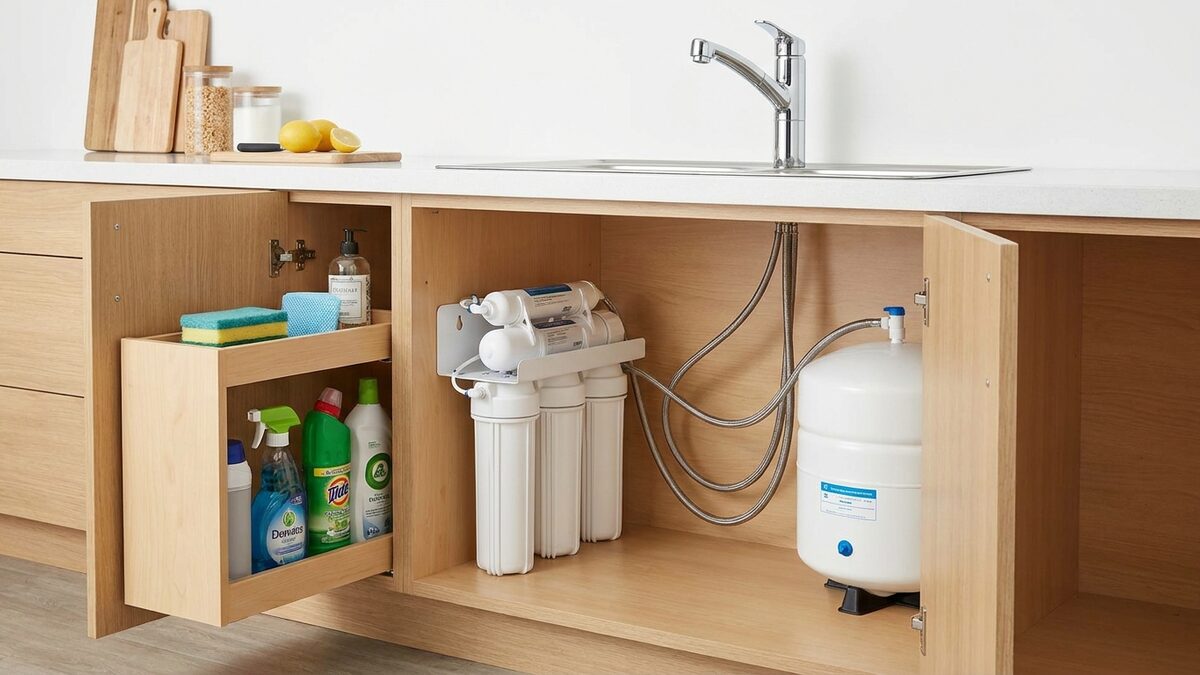
How a home RO system works
Pre-filtration
Water first passes through one or two pre-filters before it ever reaches the RO membrane. A sediment pre-filter removes particles, sand, silt, and debris that would clog or damage the delicate membrane surface. A carbon pre-filter removes chlorine and chloramines, which are used to disinfect municipal water supplies but are oxidizers that degrade the RO membrane over time. Pre-filtration protects the membrane and extends its life significantly, which is why it is not optional in a well-designed system.
The RO membrane
Pressurized water from your home's supply pressure is forced against the RO membrane. Pure water passes through to the clean side, called the permeate. Concentrated contaminants are flushed away continuously with a small stream of water called reject water or brine, which drains away. This reject water is what keeps the membrane clean: contaminants do not build up on the surface because they are continuously flushed to drain.
Post-filtration
After the membrane, water passes through one or more carbon post-filters to polish the taste and remove any residual compounds before the water reaches the storage tank or the faucet. Post-filtration ensures the water you drink is as clean-tasting as the chemistry allows.
Storage tank
Because RO production is slow, a typical residential membrane produces 50 to 75 gallons per day under normal pressure conditions, a pressurized storage tank holds purified water ready for immediate use. When you turn on the RO faucet, water flows from the tank through the post-filter and out. The tank refills automatically as it empties. Tank size varies by system but is typically 2 to 4 gallons of usable capacity.
Dedicated faucet
An under-sink RO system installs with a separate dedicated faucet at your sink, typically next to the main faucet. This keeps RO water entirely separate from regular tap water. Most homeowners use the RO faucet for drinking and cooking, and the main tap for rinsing produce, washing hands, and filling pasta pots where RO purity is not required.
What reverse osmosis removes
RO is one of the most comprehensive water treatment technologies available at the residential level. A well-designed, certified multi-stage system removes or significantly reduces dissolved solids (TDS) including salts, minerals, and metals; lead; arsenic; nitrates; chlorine and chloramines via the pre-filters; pharmaceuticals and endocrine-disrupting compounds; fluoride; bacteria and viruses at the membrane level; and the great majority of other dissolved contaminants. NSF-certified systems in the 42, 53, 58, 401, and P473 categories have third-party verified reduction data for each of these contaminant classes. A quality certified system removes 95 to 99 percent of dissolved contaminants by concentration.
What RO does not remove
RO is not a perfect solution for every water problem. Dissolved gases are not effectively blocked by the membrane, and some gases such as radon can pass through. Pre-filters and carbon post-filters handle many volatile organic compounds, but not all. For radon specifically, a separate aeration treatment is needed. Some pesticides and herbicides may pass through depending on their molecular size and charge. This is why NSF certification data for specific contaminants matters: a certified system will list the specific compounds it reduces and by what percentage, tested under controlled conditions. When evaluating any RO system, the certification data is the reference, not the marketing language on the box.
RO compared with other filtration options
Pitcher filters
Carbon pitcher filters such as Brita or Pur reduce chlorine and some organics, which is why water filtered through them tastes better than straight tap water. They do not remove lead, nitrates, arsenic, or dissolved minerals. They produce small amounts of filtered water slowly, require frequent cartridge replacement, and the cartridges are easily forgotten. For basic chlorine taste removal they are adequate. For anyone concerned about lead, nitrates, or other health-concern parameters, they are genuinely insufficient.
Whole-house carbon filters
Carbon filters installed at the point of entry treat all water in the house for chlorine taste and odor and organic compounds. They do not remove hardness, lead, nitrates, arsenic, bacteria, or dissolved minerals. For whole-house chlorine taste improvement they are effective. For drinking water safety from chemical contaminants, they address only one part of the problem.
Under-sink RO
This treats only the water at a single point, usually the kitchen sink, but treats it comprehensively. It is the correct choice if you want genuinely pure drinking and cooking water. The limitation is that only one tap produces RO water, but for most households that one tap covers all drinking and cooking needs.
Whole-house RO
This is technically possible but highly impractical for residential use. RO systems are slow and produce reject water. Running an entire house through RO would require very large membrane arrays, substantial storage capacity, and a high volume of reject water going to drain continuously. The cost and complexity are not justified for residential applications where the priority is drinking water, not shower water. Whole-house RO is used in specific industrial and commercial applications, not homes.
Is RO worth the cost?
Upfront and ongoing costs
A quality under-sink RO system costs more than a pitcher filter or a basic faucet-mounted filter. Installation by a professional adds to the upfront cost but ensures the system is connected correctly, the drain line is properly run, and the dedicated faucet is mounted without damaging the sink. Annual filter replacement is an ongoing cost, typically in the range of $60 to $120 per year depending on the system and filter type.
Compared with bottled water
A family spending $30 to $60 per month on bottled water spends $360 to $720 per year, year after year, for water in single-use plastic containers. An RO system's annual filter cost is typically $60 to $120, and the water produced costs fractions of a cent per gallon. The break-even point compared with bottled water is typically within the first year of ownership. After that, every gallon from the RO faucet is saving money relative to the bottled water alternative.
Taste
RO water tastes noticeably cleaner than tap water. The mineral load is dramatically reduced, the chlorine taste is gone, and the result is a clean, neutral flavor. Coffee and tea made with RO water taste better because the water does not compete with or mask the flavor of the beans or leaves. Ice made from RO water is noticeably clearer. Many people who install an RO system report that they stop reaching for bottled water within the first week.
Health peace of mind
For families with young children, pregnant women, or anyone with specific health sensitivities, having verifiably pure drinking water has value beyond the financial calculation. Knowing that the water your children drink every day has been certified to reduce lead, nitrates, and arsenic is worth something that does not show up in a cost-per-gallon comparison.
An important note for well water users
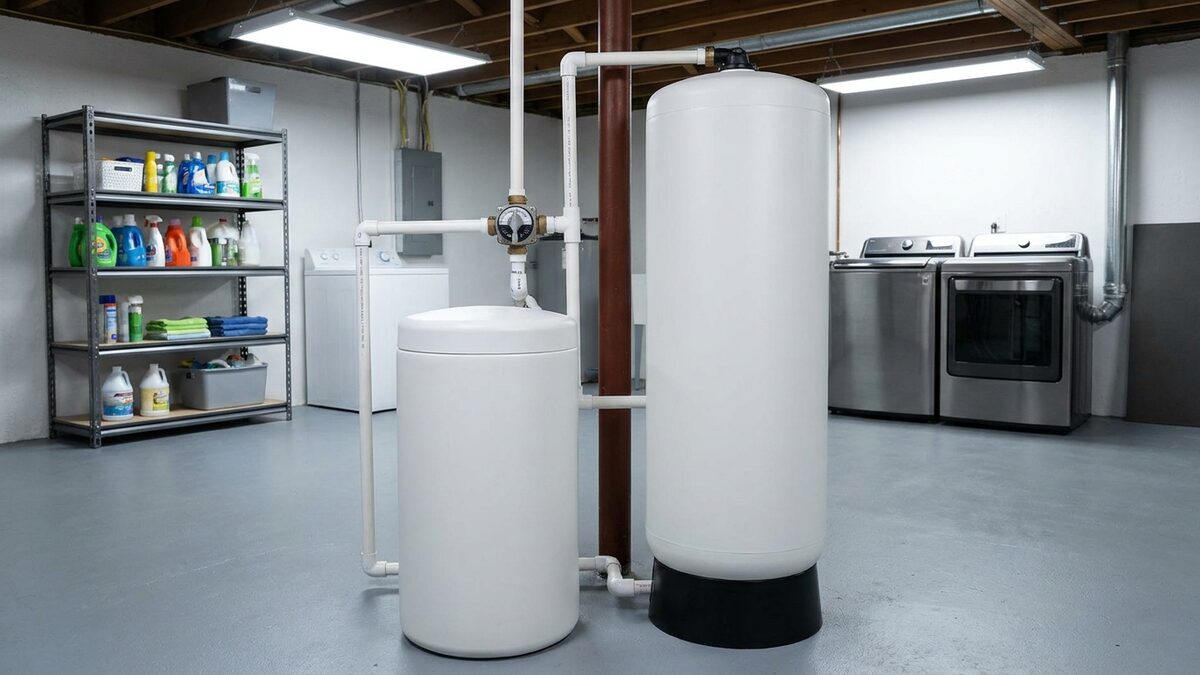
If your well water has significant iron, manganese, or hardness, these must be treated before the water reaches an RO system. High iron rapidly fouls the RO membrane, reducing its effectiveness and lifespan substantially. The correct treatment sequence for well water leading to an RO drinking water system is a sediment pre-filter, then an iron and sulfur filter if needed, then a water softener, and then the under-sink RO at the point of use. Cardinal Water Solutions designs well water treatment systems in the correct sequence based on your specific water test results.
The Kinetico K5 advantage
The Kinetico K5 Drinking Water Station is one of the most comprehensively NSF-certified residential RO systems on the market. It holds certifications under NSF 42, 53, 58, 401, and P473, covering a broader range of contaminants than virtually any competing system available at the residential level. The NSF P473 certification specifically addresses two of the most common and studied contaminant compounds that have received attention in public water systems and well water alike.
The K5's MACguard filter technology makes maintenance straightforward and error-free. Each filter cartridge is a unique shape that physically fits only in its designated housing. The pre-sediment filter cannot be installed in the carbon pre-filter position. It is not a matter of reading a label correctly; the physical design prevents incorrect installation entirely. For homeowners who change their own filters, this matters.
Ready for better water?
See whether reverse osmosis is right for your home.
We test your water, explain what we find, and recommend the right drinking water system for your household. No pressure, no obligation.