How to know if you have hard water (and what it's costing you)
What is hard water?
Hard water contains dissolved calcium and magnesium minerals. These are measured in grains per gallon (gpg). Columbus city water typically tests between 15 and 22 gpg, well into the "very hard" category. Anything above 10.5 gpg is classified as very hard by water quality standards. This mineral content comes from Ohio's limestone and dolomite geology. As groundwater moves through these rock formations, it picks up calcium and magnesium ions that stay dissolved in the water all the way to your tap.
The minerals themselves are not a health concern. Calcium and magnesium are nutrients your body uses. The problem is entirely about what those minerals do to your plumbing, your appliances, your surfaces, and your cleaning products over time.
Four signs you have hard water at home
1. Scale buildup on fixtures and appliances
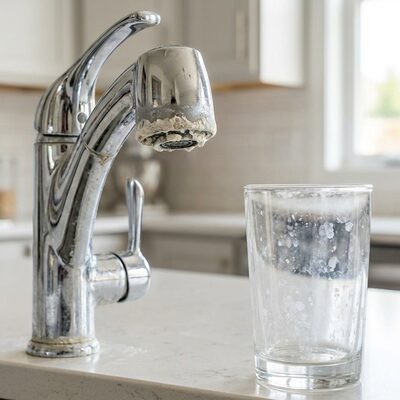
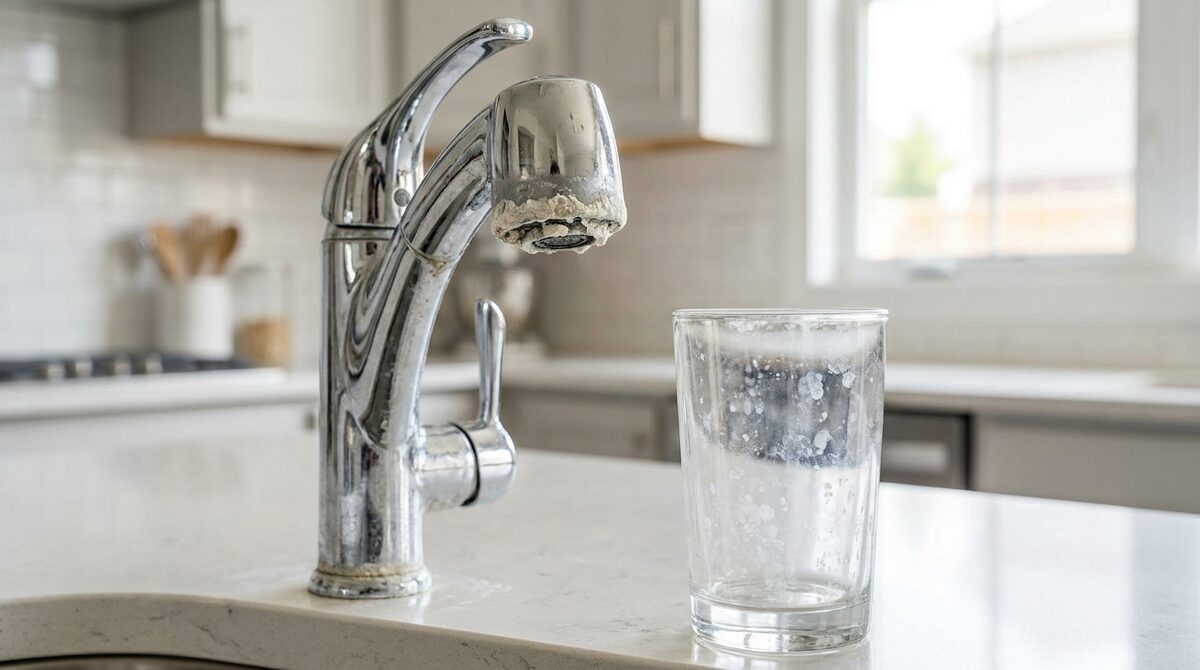
The white or yellowish crusty deposits you see on faucets, showerheads, and around drains are calcium carbonate deposits left behind when water evaporates. Every time water sits on a surface and dries, it leaves behind a thin layer of mineral residue. Over time those layers accumulate into visible scale. Scale is chemically bonded to surfaces and requires acidic cleaners to dissolve. It comes back quickly after cleaning because the same water is still flowing through.
Inside appliances, scale accumulates on heating elements, pump components, and valve seats. You will not see it there, but it is happening. Showerheads are a useful visible indicator: when the spray pattern becomes uneven or reduced, mineral buildup is usually blocking the nozzles.
2. Spotted dishes and glassware
White spots on glasses after the dishwasher are calcium and magnesium depositing on glass as water dries during the heated drying cycle. The spots are mineral residue, not soap residue. Over time, with enough dishwasher cycles at high heat, the minerals can permanently etch into the glass surface, creating a permanent cloudiness that no amount of cleaning will reverse. This etching is most visible on wine glasses and clear drinking glasses held up to light.
3. Soap scum in the tub and sink
Hard water reacts chemically with soap to form calcium stearate, the gray-white sticky film you find on tub walls and sink basins. This is not leftover soap that did not rinse away. It is a new compound formed by the reaction between calcium ions in the water and the fatty acids in soap. It coats surfaces, is difficult to rinse away with the same hard water, and means your soap and shampoo are not cleaning as effectively as they would in soft water. A meaningful portion of the soap you use goes toward this reaction rather than toward cleaning.
4. Dry skin and hair after showering
Calcium and magnesium ions bind with fatty acids in skin and soap during showering, leaving a thin residue on skin that blocks moisture and creates a tight, dry, or itchy feeling after the shower. This is particularly noticeable for people with sensitive skin or eczema. Hair feels coated and dull because minerals deposit on each strand, weighing it down and reducing natural shine. People who move from a hard-water area to a soft-water area almost universally notice the difference immediately.
The hidden financial costs of hard water
Water heater efficiency
The U.S. Department of Energy has studied scale accumulation in water heaters and found that a quarter-inch layer of scale reduces heating efficiency by up to 25 to 30 percent and shortens heater life by 30 to 50 percent. In Columbus, with 18 or more gpg hardness, significant scale accumulates within the first few years of operation. The water heater is typically the appliance most affected because hot water accelerates mineral precipitation: as water heats, dissolved minerals come out of solution and bond to whatever surface is nearby, which in a water heater is the tank walls and heating element.
Appliance lifespan
Dishwashers, washing machines, and coffee makers all have internal components including heating elements, pumps, and valves that scale affects over time. Consumer research and appliance industry data indicate that hard water can shorten appliance lifespan by 3 to 5 years compared to soft water conditions. For major appliances costing $500 to $1,500 each, that shortened lifespan represents real money. Warranty coverage does not typically cover scale damage, as it is considered a water quality issue rather than a manufacturing defect.
Soap and detergent use
Hard water requires 50 to 75 percent more soap, shampoo, and detergent to produce the same cleaning effect as soft water. The American Water Works Association found that households with soft water use significantly less cleaning product across all categories. This includes dish soap, hand soap, shampoo, conditioner, laundry detergent, and dishwasher detergent. For a family of four, the annual difference in cleaning product purchases between hard and soft water households is typically $300 to $600 per year.
Plumbing
Scale accumulates inside pipes over time, gradually narrowing the interior diameter. In older Columbus homes with galvanized or copper pipes, this accumulation can meaningfully reduce water pressure over years or decades. Hot water lines are affected faster than cold water lines because heat accelerates mineral precipitation. Near water heaters and dishwashers, the pipe connections and valves are the first to show restriction. In severe cases, pipes require replacement rather than cleaning.
How to test your water for hardness
The soap test
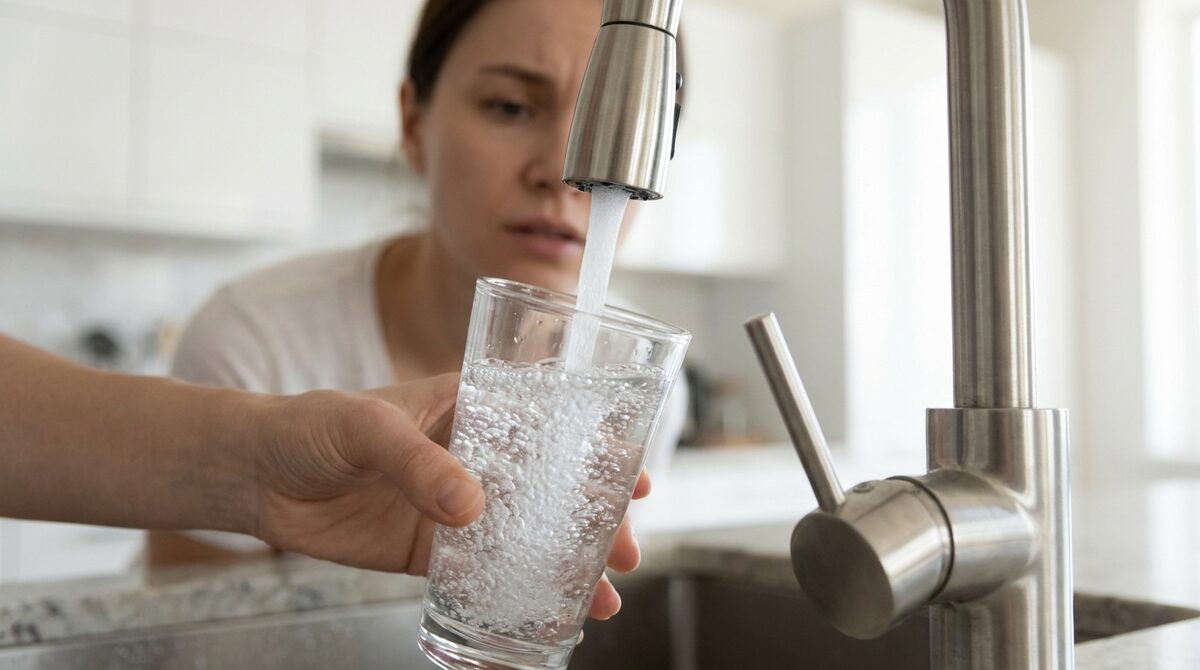
Fill a clear water bottle about one-third with tap water. Add several drops of pure liquid soap (no detergents or additives, castile soap works well for this). Seal the bottle and shake vigorously for about 10 seconds. If the water turns cloudy or milky with very few bubbles on the surface, you likely have hard water. Soft water produces substantial lather that floats on top. This test is not precise, but it gives you a quick directional answer.
The white residue test
Fill a clear glass with cold tap water and set it on a dark surface. Let it sit undisturbed overnight. Soft water leaves no visible residue after evaporating. Hard water leaves a white ring or film where minerals deposited as the water evaporated. The more prominent the ring, the harder the water. This test works better in a warm, dry room where evaporation happens faster.
Get an actual number
Both home tests indicate whether you have hard water, but they do not tell you how hard. Knowing your exact hardness level in gpg matters because it determines what size and type of water softener your home needs. A softener sized for 10 gpg water will regenerate too frequently in Columbus's 18 gpg water, using more salt than necessary. A properly sized unit for your actual hardness runs efficiently and provides consistent soft water throughout the home.
Cardinal Water Solutions offers a free on-site water analysis. We come to your home with testing equipment, test for hardness, iron, pH, and other parameters, and give you the actual numbers for your specific water supply on that day.
What solves hard water?
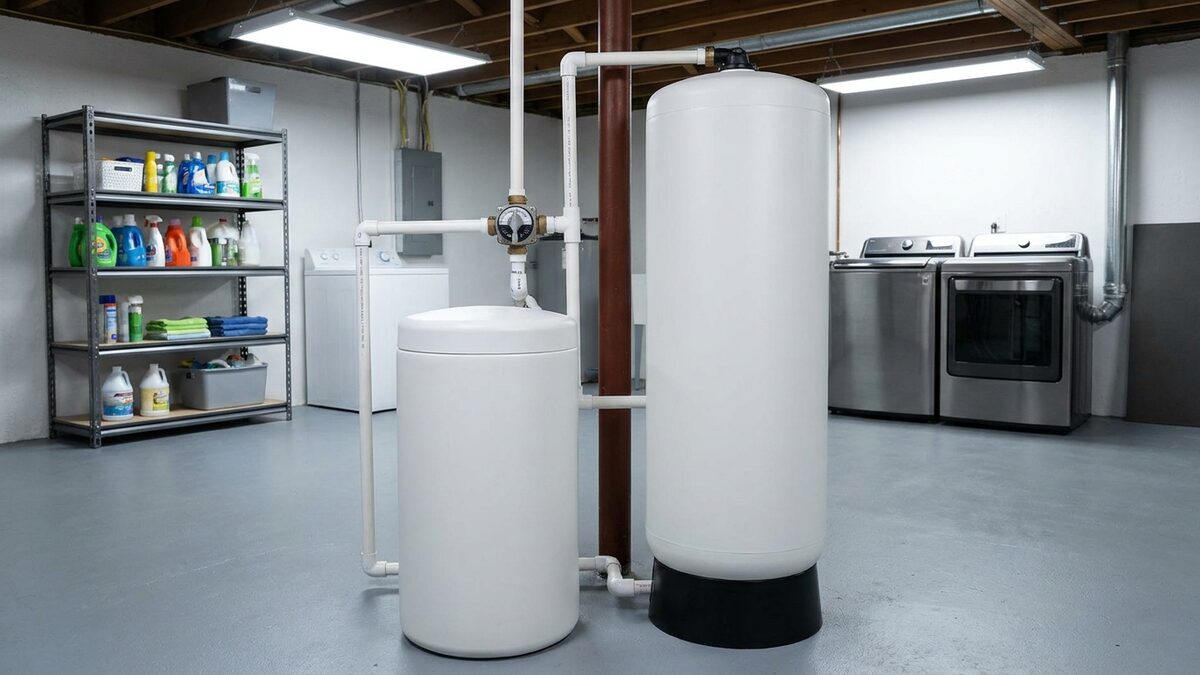
A properly sized water softener removes calcium and magnesium from your water through a process called ion exchange. The softener contains a tank filled with negatively charged resin beads. As hard water passes through, the positively charged calcium and magnesium ions stick to the resin beads, and sodium ions are released in exchange. The water leaving the softener contains no calcium or magnesium and is soft.
The result is noticeable throughout the home: scale stops forming on fixtures and inside appliances, soap lathers freely, dishes come out of the dishwasher spot-free, and skin feels noticeably different after showering. Appliances that were previously scaling up begin operating more efficiently. Most households notice the difference within the first week after installation.
For Columbus homeowners dealing with 15 to 22 gpg hardness, a non-electric Kinetico softener handles the load efficiently. Because Kinetico systems regenerate on demand based on actual water consumption rather than on a timer, they use only the salt and water they actually need. This makes a meaningful difference in ongoing operating costs at Columbus hardness levels, where a timer-based softener regenerates very frequently and wastes significant salt.
Get your Columbus water tested, free
We come to your home, test your water on-site, and tell you exactly what is in it, including your precise hardness level. No charge, no obligation.