Water softener vs. water filter: which one do you actually need?

Two products, two different jobs
Water softeners and water filters are often mentioned in the same breath, and it is easy to see why. Both treat your home's water supply. Both come in whole-house formats. Both are sold by water treatment companies. But they address completely different problems, and confusing the two is one of the most common mistakes homeowners make when trying to improve their water quality.
A homeowner with hard water who buys a whole-house carbon filter instead of a water softener will still have hard water. A homeowner concerned about drinking water taste who buys a softener instead of a filter will still have that taste issue. Getting the right product requires understanding what each one actually does.
What does a water softener do?
A water softener removes hardness minerals, specifically calcium and magnesium, from your water. It does this through a process called ion exchange. As water passes through a tank filled with negatively charged resin beads, the positively charged calcium and magnesium ions stick to the resin, and sodium ions are released in exchange. The water leaving the softener contains no calcium or magnesium and is described as soft.
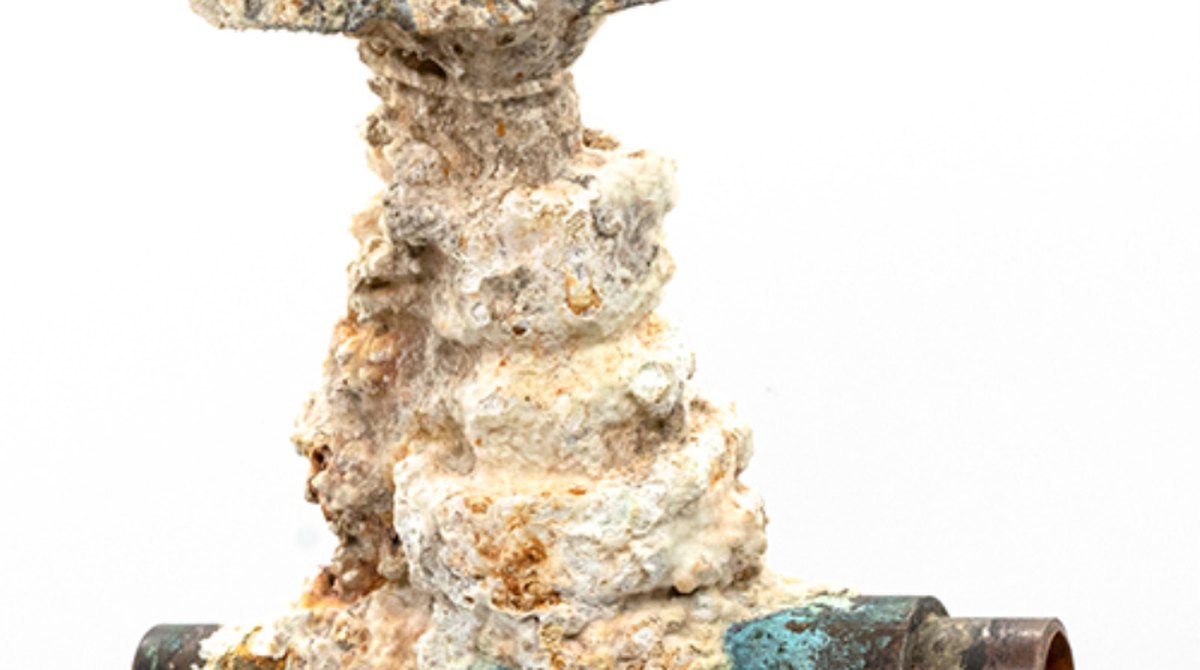
The benefits are practical and noticeable. Scale stops forming on faucets, showerheads, and inside appliances. Dishes come out of the dishwasher spot-free. Soap and shampoo lather freely instead of reacting with minerals to form soap scum. Laundry comes out softer and keeps colors longer. Appliances run more efficiently and last longer because heating elements are not scaling up.
What a softener does not do: it does not remove chlorine, chloramines, lead, bacteria, or other dissolved contaminants. It does not meaningfully improve drinking water taste or odor beyond a slight improvement from removing minerals. It simply removes the minerals that cause scale, soap scum, and appliance damage.
What does a water filter do?
"Water filter" is a broad term that covers many different technologies targeting many different problems. The most common whole-house filters use activated carbon media to adsorb chlorine, chloramines, and organic compounds from city water, improving taste and odor throughout the home. Specialty filters can remove iron, manganese, hydrogen sulfide, sediment, and many other specific contaminants depending on the media used.
Under-sink reverse osmosis systems are the most thorough filtration option for drinking water. Reverse osmosis forces water through a semipermeable membrane that rejects dissolved solids at very high removal rates. The K5 reverse osmosis system from Kinetico is certified to reduce a wide range of contaminants and is the option we most commonly recommend for Columbus drinking water.
What a filter does not do: it does not remove hardness. A whole-house carbon filter will remove chlorine from your shower and laundry water, but your appliances will still scale. Your dishes will still spot. Your soap will still react with calcium and magnesium to leave scum. Filtering and softening are complementary, not interchangeable.
They solve different problems
| Capability | Water softener | Water filter |
|---|---|---|
| Removes hardness (calcium and magnesium) | Yes | No |
| Prevents scale buildup | Yes | No |
| Removes chlorine | No | Yes, carbon filter |
| Removes lead | No | Yes, RO or specialty filter |
| Removes bacteria | No | Yes, UV or ultrafiltration |
| Improves appliance lifespan | Yes | No |
| Improves taste and odor | Marginally | Yes |
| Treats the whole house | Yes | Whole-house or point-of-use |
When you only need a softener
You are on Columbus city water, which is treated for bacteria and meets EPA standards for regulated contaminants. Your primary complaints are scale on fixtures and inside appliances, spotted dishes and glassware, soap scum in the tub and sink, dry skin or dull hair after showering, faded laundry, or reduced appliance efficiency. You are not particularly concerned about drinking water taste beyond what the city provides.
In this case, a water softener addresses your actual problems. It will not do anything for taste or contaminants, but those are not the problem you are trying to solve.
When you only need a filter
Your water is not especially hard, under 7 gpg, but has a strong chlorine smell or taste, or you are on a private well with specific concerns such as iron, sulfur odor, or bacteria. Your problem is taste, odor, or a specific contaminant, not mineral scale.
Note: this scenario is uncommon for Columbus homeowners. The city's water supply consistently tests in the hard to very hard range. Filtering without softening would improve taste but leave all the hardness problems in place.
When you need both
Most Columbus homeowners benefit from both a softener and some form of filtration, and for good reason. City water in Columbus is hard at 15 to 22 grains per gallon and treated with chlorine and chloramines. A softener handles the hardness throughout the house. A whole-house carbon filter or an under-sink RO system handles taste and contaminant concerns. These two types of systems work together and do not interfere with each other.
The most common setup in Columbus homes we work with is a Kinetico non-electric water softener at the point of entry, handling the whole house, paired with a Kinetico K5 reverse osmosis system under the kitchen sink, handling drinking and cooking water. The softener eliminates every hard water problem. The K5 addresses contaminants and produces genuinely excellent tasting water for drinking, cooking, and making coffee or tea.
Which should you get first?
If budget requires choosing one to start with, begin with the water softener. Here is the reasoning. Hard water causes progressive, compounding damage to plumbing, appliances, and water-using fixtures. The damage is ongoing and cumulative. Every day without a softener, your water heater is scaling further, your appliances are shortening their lifespan, your pipes may be accumulating deposits, and you are spending more on soap and cleaning products than you need to. Soft water throughout your home protects every pipe, every appliance, and every fixture from that ongoing damage.
Drinking water filtration is valuable, but a softener addresses more total square footage of impact across the home. You can add an under-sink RO system at any point afterward, and many of our customers do exactly that within the first year or two.
A word about marketing language
Be cautious of products marketed as "whole-house water filter systems" or "salt-free water conditioners" that claim to do everything. The water treatment industry has a persistent problem with vague marketing claims that do not hold up to scrutiny. Ask specifically: does this product remove hardness minerals? Does it have NSF International certification? What specific contaminants is it certified to reduce, and at what percentage removal rates under what conditions?
NSF certification is the most reliable indicator of a product doing what it claims. NSF Standard 44 covers cation exchange water softeners. NSF Standard 42 covers aesthetic effects like chlorine. NSF Standard 58 covers reverse osmosis systems. If a product does not have a specific NSF certification for the problem it claims to solve, treat the marketing claims with appropriate skepticism.
Not sure what your water needs?
Cardinal Water Solutions offers a free on-site water analysis for Columbus and Central Ohio homeowners. We test for hardness, iron, pH, and more, then explain what we find in plain terms. No charge, no pressure.